
REHAU Solid Surfaces: Engineered for Spaces That Are Meant to Last
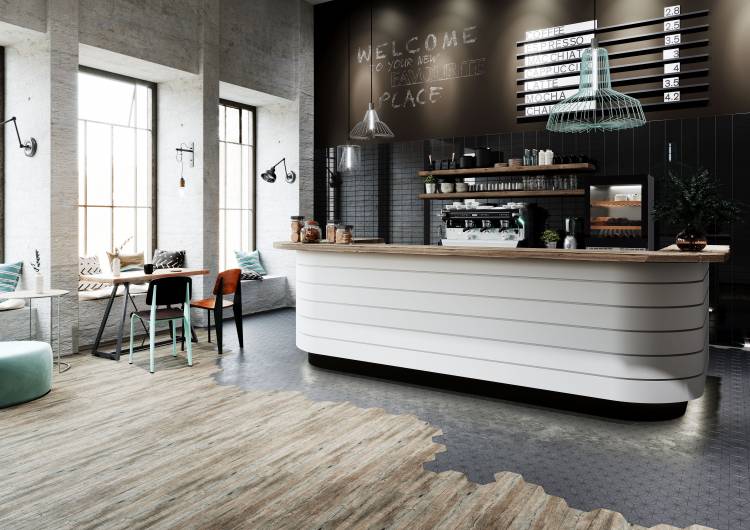
REHAU has long been recognized for translating German engineering into surfaces that perform quietly and consistently in real living environments. Its solid surface portfolio shows this philosophy clearly. Designed for bathrooms besides commercial interiors, and high-use public spaces, REHAU solid surfaces are built around one core idea: materials should support everyday life without demanding attention or compromise.
Solid surfaces nowadays are expected to do a lot more than ranking on aesthetics. They need to handle moisture, and constant human contact while retaining their original appearance. REHAU’s solid surface solutions respond to these demands through a carefully engineered material composition that balances aesthetics, hygiene, and long-term durability. The result is a surface that feels refined but works hard beneath the surface.
A Material Designed for Continuity and Calm
Visual continuity is one of the key defining qualities of REHAU solid surfaces. Seamless joins allow large worktops, wall claddings, and counters to appear as uninterrupted planes, creating a sense of calm and order in a space. This quality is especially valuable in bathrooms, where visual clutter often competes with functionality. Because joints can be thermoformed and bonded invisibly – designers gain flexibility in shaping curves, integrated sinks, and custom forms. This freedom supports modern interior preferences that favour clean lines and soft geometry over heavy detailing. In commercial environments such as hospitality or retail, the same seamless quality helps maintain a premium appearance even under heavy footfall.
Non-Porous by Design & Hygienic by Nature
REHAU solid surfaces are non-porous which means liquids, bacteria, and contaminants do not penetrate the material. This makes them naturally hygienic and easy to maintain without specialised cleaning products. In bathrooms and healthcare-adjacent environments, it reduces the risk of mould and microbial growth. This non-porous structure also supports stain resistance. Everyday substances such as oils, coffee, or cosmetics remain on the surface and can be cleaned easily. Over time, this characteristic helps interiors age gracefully, maintaining both appearance and performance.
Built to Withstand Daily Use
REHAU solid surfaces are engineered to resist impact and abrasion that come with daily use. Repeated cleaning, and frequent contact do not compromise the integrity of the surface. For homeowners, this means fewer worries. For commercial projects, it ensures predictable performance across years of operation. An additional advantage lies in repairability. Minor scratches or surface damage can be restored through simple refinishing, extending the usable life of the surface and reducing the need for replacement. This makes solid surfaces a practical choice for long-term projects where lifecycle value matters.
A Thoughtful Approach to Colour and Finish
The colour palette across REHAU solid surfaces is intentionally restrained. Rather than chasing short-lived trends, the focus is on tones and finishes that remain relevant over time. Subtle matt finishes, soft mineral patterns, and understated textures allow surfaces to blend seamlessly into different interior styles. This approach gives designers and homeowners confidence that their choices will not feel dated quickly. With colours like Azucar, Marshmallow, Blue Spirulina, Biscotti & Sea Foam adding that essence of grace to spaces, the surface supports the overall design narrative without overpowering it.
Sustainability as a Material Responsibility
REHAU’s solid surface development reflects a broader commitment to responsible material choices. Long product lifecycles, repairability, and efficient manufacturing processes all contribute to reduced material waste. The non-porous nature of the surface also reduces dependency on harsh cleaning chemicals, supporting healthier indoor environments. For a brand rooted in polymer expertise, sustainability is addressed through material science rather than surface-level claims. The focus remains on creating products that perform reliably over time, reducing replacement cycles and resource consumption.