US Senate Approves Bill for Russia Sanctions and Tariffs
The US Senate has passed a new law designed to increase pressure on Russia and countries that continue to buy Russian oil and gas. The bill, known as the Lindsey Graham Russia and Iran Sanction Act of 2026, received strong support in the Senate, passing by a vote of 86-11.
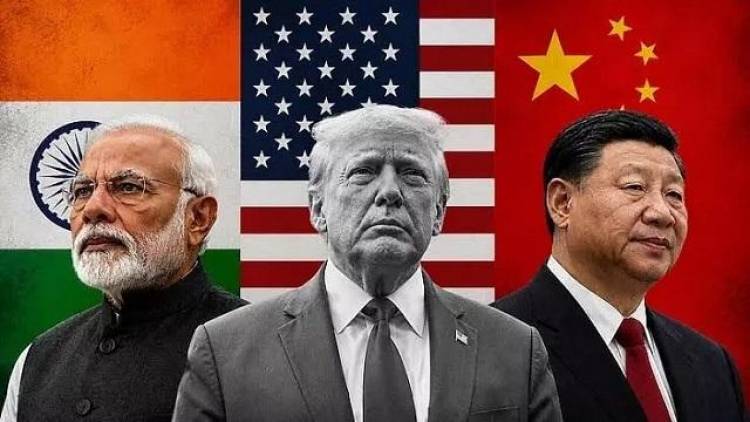
The new law gives US President Donald Trump the power to impose tariffs of up to 100% on goods imported from the five largest buyers of Russian energy. China is one of the major countries that could be affected by these measures.
The law is mainly aimed at reducing the money Russia earns from selling oil and gas. Russia depends heavily on energy exports to generate revenue. US lawmakers believe that reducing these earnings could make it harder for Russia to finance its military activities connected to the war in Ukraine.
The legislation could also create pressure on countries that continue to purchase Russian energy. These countries may have to decide whether to continue buying Russian oil and gas or reduce their trade with Russia to avoid possible US tariffs.
New Measures Against Iran
The bill also includes measures targeting Iran. US sanctions against Iran will be extended until 2031. The legislation focuses on companies that invest in Iran’s energy sector.
The US government has used sanctions against Iran for many years to limit its access to international markets and reduce the country’s energy-related income. The new law continues this approach and could increase pressure on companies doing business with Iran
Bipartisan Support in the Senate
The legislation received support from both Republicans and Democrats. Republican Senator Lindsey Graham and Democratic Senator Richard Blumenthal were among the key lawmakers involved in the bipartisan effort behind the bill.
Supporters of the legislation say stronger economic pressure is needed to reduce Russia’s oil revenues and limit the financial resources available for its war effort in Ukraine.
Possible Impact on Global Trade
The new law could have wider effects on international trade and energy markets. If the US imposes high tariffs on countries that purchase large amounts of Russian energy, those countries could face higher costs when selling goods to the US.
The measures could also influence global oil prices and encourage countries to look for energy supplies from other producers. However, the final impact will depend on how the Trump administration uses the powers provided by the law.
Overall, the new legislation represents a major effort by the US to put economic pressure on Russia, its energy buyers, and Iran. The main aim is to reduce Russia’s oil and gas income, limit funding connected to the Ukraine conflict, and increase pressure on Iran’s energy sector.