

Iran and Oman Near Deal to Reopen Strait of Hormuz
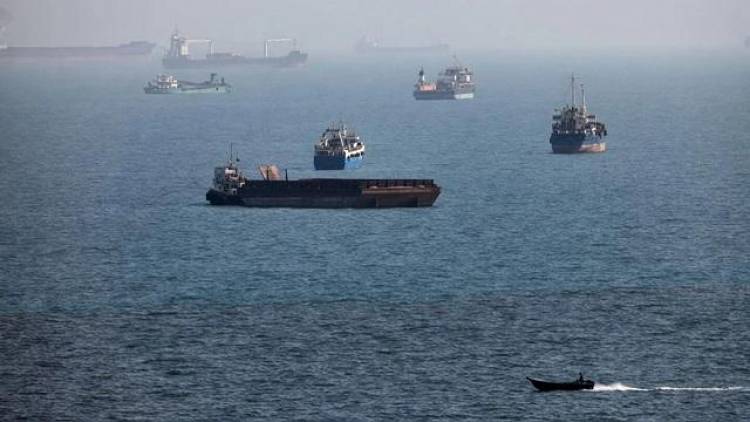
Iran and Oman are close to reaching an agreement on new shipping routes through the Strait of Hormuz, one of the world’s most important waterways for oil and gas transportation. However, Iran has made it clear that reaching an agreement with Oman does not automatically mean that the strait will fully reopen.
Iran says the United States must first meet several conditions before Tehran agrees to reopen the waterway. These demands include lifting economic sanctions, ending military threats against Iran, and providing compensation for damage caused during the conflict.
New Shipping Route Being Discussed
Iran and Oman have been working on a plan that could allow commercial ships to safely pass through the Strait of Hormuz. The proposed arrangement would create a temporary shipping corridor involving both Iranian and Omani waters.
A U.S. official said on August 7 that Iran and Oman were getting close to an agreement that could help restore safer passage through the strategic waterway. The negotiations are being closely watched because the strait is an important route for global energy supplies.
Iran Sets Conditions for Reopening
Iranian Foreign Minister Abbas Aragchi said on August 9 that discussions with Oman were in their final stages. However, he stressed that Iran would not fully reopen the strait until the United States meets Tehran’s demands.
Iran wants Washington to lift sanctions and stop military threats against the country. Tehran has also demanded compensation for damage caused during the conflict.
Iran has linked the reopening of the waterway to the wider political and security situation between Tehran and Washington.
No Direct Talks With the United States
Aragchi also said that Iran and the United States are currently not holding direct negotiations. According to the Iranian position, direct talks cannot restart while Washington is not following the terms of an interim agreement reached in June.
Instead, messages between Iran and the United States are being passed through intermediaries. Countries such as Oman have an important role because they have previously helped communicate between Tehran and Washington.
Importance of the Strait of Hormuz
The Strait of Hormuz is a narrow but extremely important waterway connecting the Persian Gulf with the Gulf of Oman and the wider Arabian Sea. Large amounts of oil and other energy products normally pass through the area.
Any long-term disruption to shipping through the strait can affect global energy markets, shipping costs and fuel prices. This is why governments and energy companies are closely following the negotiations between Iran and Oman.
What Happens Next?
The proposed Iran-Oman agreement could provide a way for some commercial shipping to resume, but the full reopening of the strait remains uncertain.
Iran appears to be using the reopening of Hormuz as part of wider negotiations with the United States. Washington will now have to decide how to respond to Tehran’s demands, while Oman continues its efforts to help reach an agreement.
For now, negotiations are continuing, and Iran says the agreement with Oman is close to completion. However, the final reopening of the Strait of Hormuz will depend on whether the wider conditions between Iran and the United States are resolved.