
India, France Amend DTAC, Remove MFN Clause
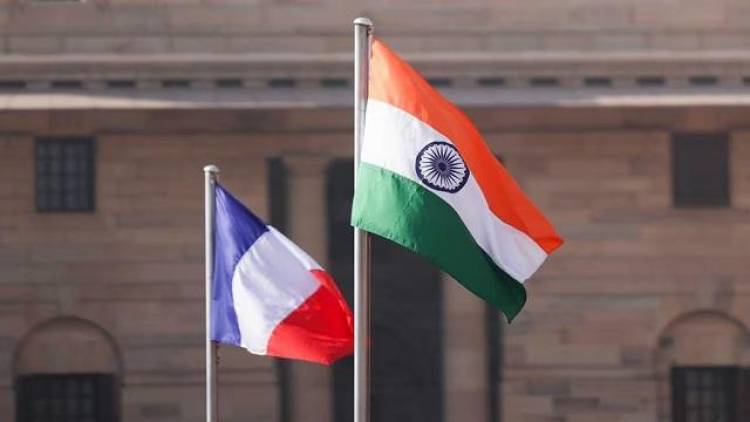
India and France have amended their Double Taxation Avoidance Convention (DTAC) to update several key provisions, including the deletion of the so-called Most-Favoured-Nation (MFN) Clause. Officials say this change is expected to settle all previous issues related to the MFN clause.
A statement from the Central Board of Direct Taxes (CBDT) explained that the Amending Protocol now gives full taxing rights for capital gains arising from the sale of shares to the country where the company is a resident. Previously, source-based taxation applied only if the shareholder owned more than 10% of the company. Under the revised rules, India can tax capital gains from the sale of shares in Indian companies in all cases, regardless of the ownership percentage.
The updated protocol also changes the taxation of dividend income. The earlier system applied a flat 10% tax on dividends. Under the new provisions, a split rate will apply: 5% tax for shareholders holding at least 10% of capital, and 15% tax for all other shareholders. This modification is designed to align with international standards and ensure fairer taxation.
The Amending Protocol was signed during the recent visit of Emmanuel Macron to India. The agreement was signed on behalf of India by Ravi Agrawal, Chairperson of the CBDT, and on behalf of France by Thierry Mathou, the French Ambassador to India.
The India-France DTAC was originally signed on September 29, 1992. Since then, both countries have cooperated to update the agreement to reflect changes in international taxation practices and ensure that investors and businesses in both nations benefit from a clearer, more predictable tax framework.
Officials noted that the amendments are expected to strengthen economic ties between India and France and provide better clarity for investors engaging in cross-border transactions. They also emphasized that the changes will enhance tax compliance, reduce disputes, and improve cooperation between the two countries’ tax authorities.