
CK Group of Educational Institutions and SDC Launch Project Ray, Install 20 Solar Streetlights in Nilgiris Tribal Hamlet
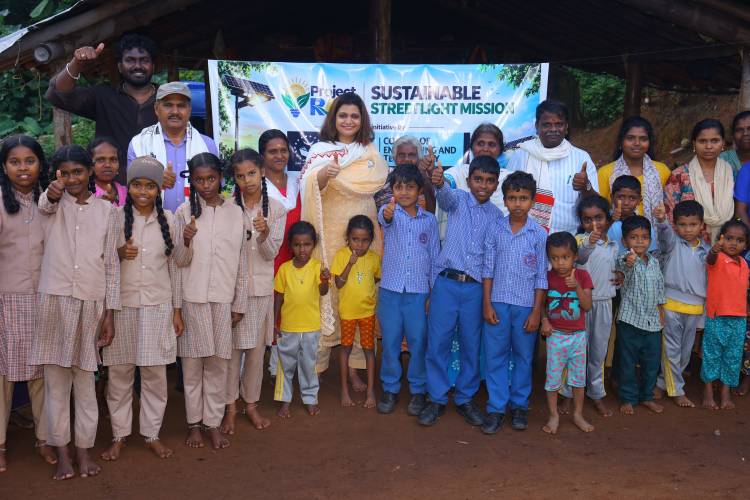
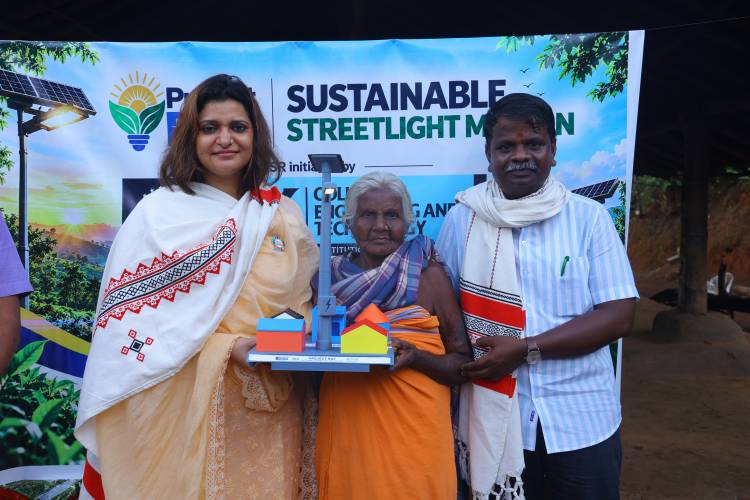
Bringing sustainable energy solutions to underserved tribal communities, C.K. College of Engineering and Technology (CKCET), a unit of CK Group of Educational Institutions, and the Sustainable Development Council (SDC) today announced the launch of Project Ray: Sustainable Streetlight Mission (SSM) in Ooty, Tamil Nadu. Proposed by Seerakku, SDC’s environmental and sustainability unit, the initiative has completed its first phase with the installation of 20 solar-powered streetlights in Koodamoola tribal hamlet in Gudalur taluk, Nilgiris district. Home to approximately 120 tribal families, the settlement previously had only four streetlights, leaving several pathways inadequately illuminated after dark and making it difficult for residents to detect the presence of wild animals nearby. The mission addresses this essential infrastructure need while laying the groundwork for sustained community development.
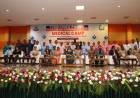
The launch event was graced by Sreenivasan-ACF -Assistant conservator of forest, and Mr. Thiyagarajan - Municipal Engineer
The initiative draws attention to the challenges faced by communities living along forest fringes, where limited public lighting can make everyday movement after dark difficult. Located in an area characterized by wildlife movement near Mudumalai Tiger Reserve, Koodamoola requires particular attention to visibility and safety along its internal pathways and access routes. The installations prioritize village entry and exit points, pedestrian routes, areas adjoining forest boundaries and pathways commonly used by schoolchildren. Improved visibility is expected to support safer movement and help residents detect the presence of wildlife earlier, enabling them to take appropriate precautions.
Speaking about the initiative, Ms. Amudhavalli Ranganathan, Chairperson – UNESCO Youth Education Research Center (CREGU INDIA); Director – New Initiatives & E-Commerce, CavinKare; Executive Director, CK Group of Educational Institutions; Chairwoman, CII Indian Women Network (IWN), Tamil Nadu; and Chairperson, India, Sustainable Development Council, said, “The true value of education and institutional progress lies in how they translate into opportunities for society at large. We have an opportunity to encourage young people to look beyond conventional learning environments, understand the challenges around them and become active contributors to meaningful change. I firmly believe that when we elevate a life, we elevate generations. Going forward, we want to explore ways of connecting institutional knowledge, innovation and community participation to address evolving social needs. Our aspiration is to nurture a culture of responsibility where every generation is encouraged not only to imagine a better future, but also to take part in building it.”
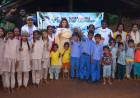
Complementing the streetlighting mission, CKCET students trained local tribal schoolchildren to assemble solar study lamps using DIY kits as part of the UNESCO Youth Education Research Center – India’s “Do It Yourself – Solar Lamp Initiative”. Each participating child was presented with a lamp to support evening study. The activity combined practical learning, renewable energy awareness and community service while addressing the need for reliable study lighting.
Seerakku, led the implementation of Project Ray, overseeing site coordination, procurement, transportation, installation, stakeholder engagement and monitoring in coordination with the relevant authorities and local community representatives. Designed to operate independently of the electricity grid, the solar-powered streetlights are suited to remote settlements where extending conventional power infrastructure can be challenging. The implementation plan also includes training local youth and community members in basic upkeep, identifying visible damage and reporting technical issues to encourage community ownership and support the long-term functioning of the installations.
While solar-powered streetlighting forms the first phase, Project Ray is envisioned as part of a broader approach to sustainable community development. Future interventions may be identified through assessments of local needs, with potential areas including education, technology, youth empowerment and skill development. This phased approach aims to enable sustained engagement with individual communities, allowing subsequent interventions to build on identified priorities and lessons from earlier efforts.
Through Project Ray, CK Group of Educational Institutions, and SDC aim to connect institutional social responsibility with practical community needs, demonstrating how decentralized renewable energy solutions can contribute to safer and more accessible living environments. Guided by the principle, “Lighting Pathways. Protecting Communities. Powering a Sustainable Future,” the Sustainable Streetlight Mission marks the beginning of an effort to combine environmental sustainability with community well-being in underserved tribal settlements.